China’s traditional agricultural calendar is a marvel.
Perfectly timed to the movements of the sun, the calendar breaks down four cardinal seasons into twenty-four cycles (节期). Big moments like the summer solstice hit precisely in the middle of the season, with three, two-week cycles on either side.
It’s all quite tidy. This is a calendar you can set your watch by.
It’s also been millennia in the making.
The earliest detailed description of the calendar comes from a text called the “Order of the Months” (月令). That passage appears inside another book, called the Book of Rites (礼记), which was compiled during China’s Warring States period (475-220 BCE). The Order of the Months most likely was written long before someone added it to the book, and the actual calendar it describes is likely much older than that.
The ancient calendar was more than a triumph of early astronomy, it was a way of reckoning time on a vast scale. Outlined in the Order of the Months, everything had its season. From avian migration to success on the battlefield, the forces of rise and fall were timed according to the same intricate mechanism. That universal flow connected all things together with the march of time keeping the whole thing ticking properly.
That’s why everyone from farmers to doctors, all the way up to the emperor would consult the calendar before making any decisions. The forces of change move at their own pace, whether you acknowledge them or not. They cannot be appeased or ameliorated, but they can be understood, in the same way an experienced sailor understands the winds and the tides, knowing when it’s time to put up the sails and when it’s time to get back to harbor.
It might feel a bit early to even think about summer, but the signs are all there. Just yesterday the trees outside my window were dotted with pink and white. An overnight downpour washed any remaining spring blossoms, leaving the landscape a uniform green. Old men have taken up their next few months of residence on various park benches, their midriffs as yet unbared.
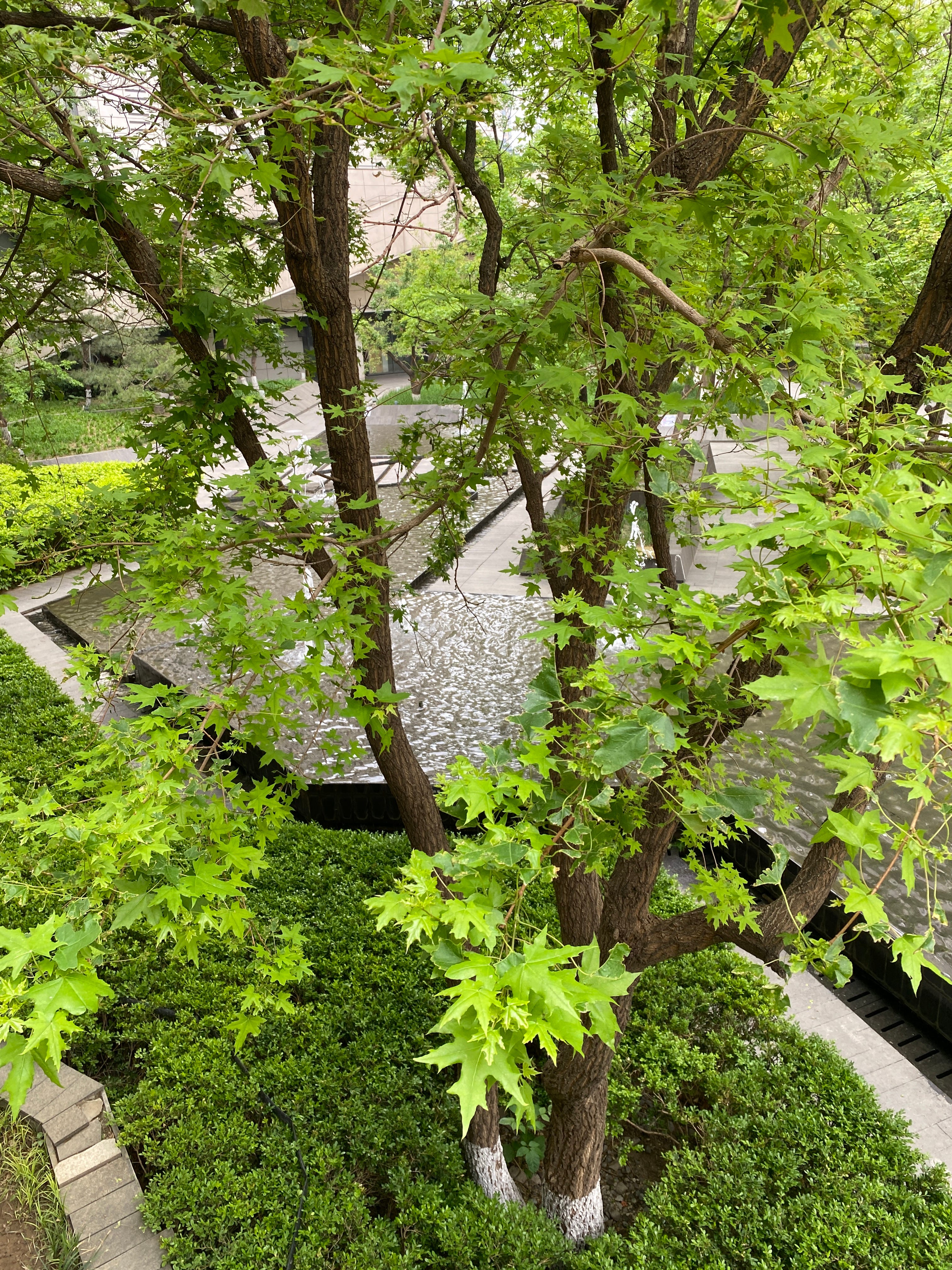
But that’s the meaning of Lixia 立夏, the “founding of summer,” the cycle that starts today. The season has officially turned. It still feels like Spring, but just three more cycles from now, the sun will be at its highest point.
Lixia, the arrival of summer, is traditionally marked by two foods.
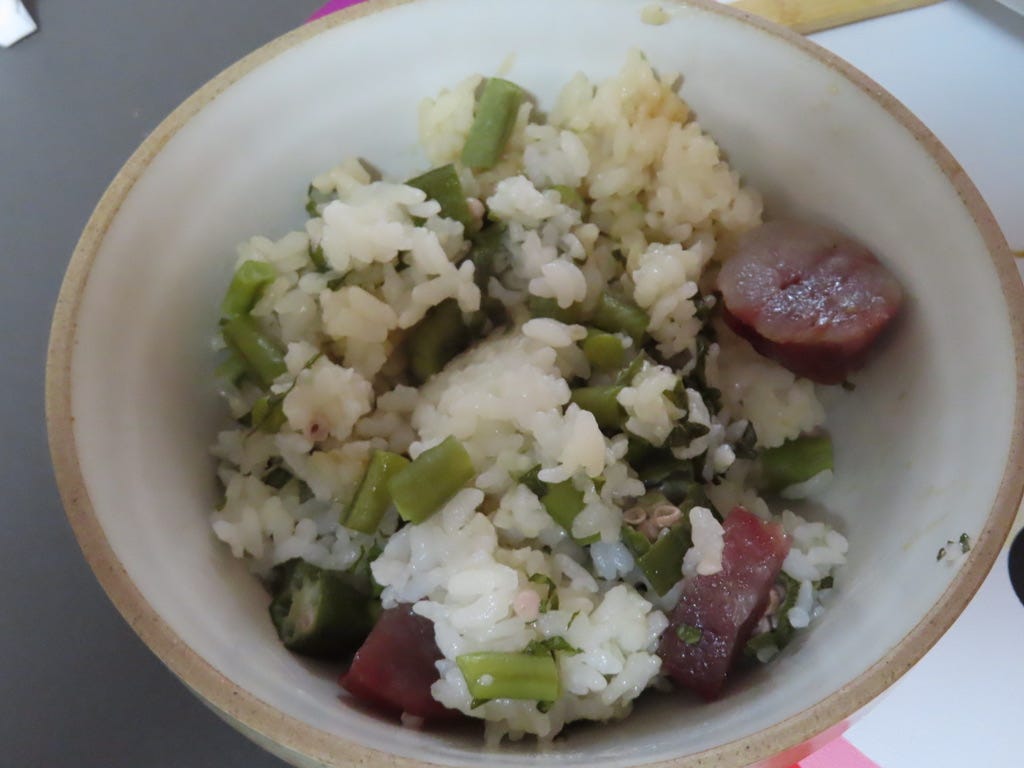
One is a dish of rice cooked with evenly cubed cured sausage, shiitake mushrooms, bamboo, carrots, and green peas. There are many possible substitutions, such as cooked soybeans, fresh corn, but generally the number has to be five, and ideally the ingredients are all late spring vegetables.
Some people add crunchy garlic stems, but for the most part, this dish contains no strong tastes. No garlic, onions, or salt.
The aesthetic for Lixia rice and for grains in general is in the clean taste of what comes from the earth. Yes, rice can be fried, but that’s not what most people eat every day.
Lixia rice is best made in the morning and left to gently steam during the day. Mine is cooking away right now. The grains should be relaxed but not mushy. If you’ve washed the color out of the peas by steaming the dish too long, well there’s always next year.
The other is eggs, boiled and dyed in the shell. Often these are made simply as tea eggs, adding patterns by tying the fresh eggs with string before cooking them in the dark tea bath. After cooking, the string netting is removed and the pattern shows up in white against the rest of the egg, dyed brown.
This season favors two types of foods—one that are red and ones that are bitter.
Bitter makes obvious sense. It includes all those fresh greens that started popping out of the ground a few weeks ago and are now at their peak.
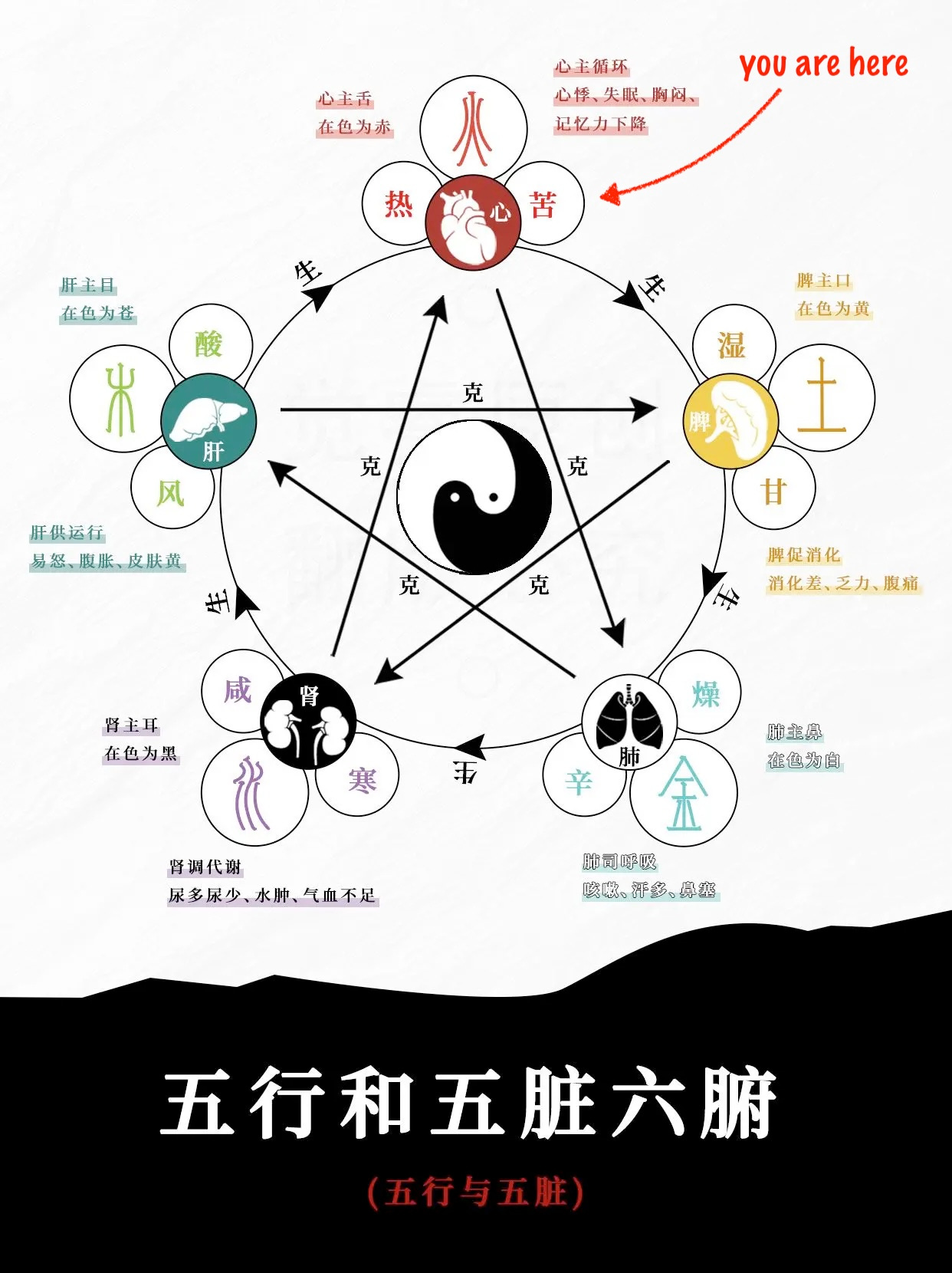
Red foods—typically tomatoes, watermelon, or red dates—are said to build the blood and heart in anticipation of the coming heat and also recall a time when the summer season was marked with the color red and the element fire. These are not aesthetic choices, but rather the political task of making sure that time marches as it should.
 Thomas David DuBois