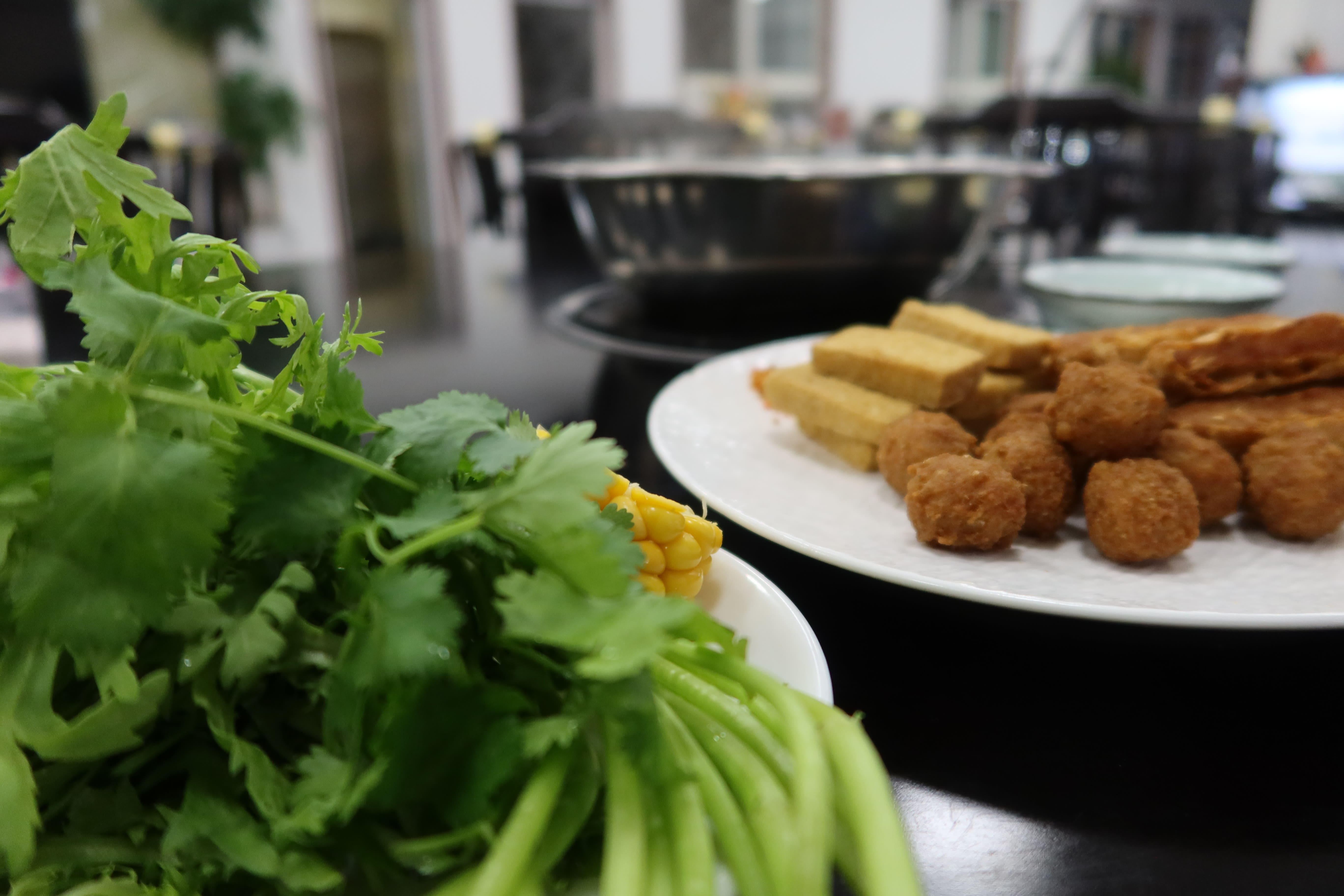
That’s right, a whole post about going to buy bean curd
What could be more exciting than a trip to the tofu market?
Go ahead, I’ll wait. Get it all out of your system.
Ok, are we good? Good.
Tofu has a reputation for being bland, but more precisely, the problem with tofu is that it’s impenetrable. You can’t cook it in liquid and expect it to absorb flavors. Tofu is not a potato. Sauce or spice clings to the outside, which is one reason for precooking steps like pan frying tofu with or without a starch coating—these increase surface area and create a rough layer for sauce to grab on to.
But that’s assuming that your goal is to disguise the taste. Which brings us back to the quality of the tofu itself.
Tofu is not tasteless, it is subtle. Like almost everything, it tastes better when it is fresh, and when it is made with the best ingredients. Packaged tofu often tastes sour and well, packaged. Fresh tofu tastes only as good as the water used to make it.
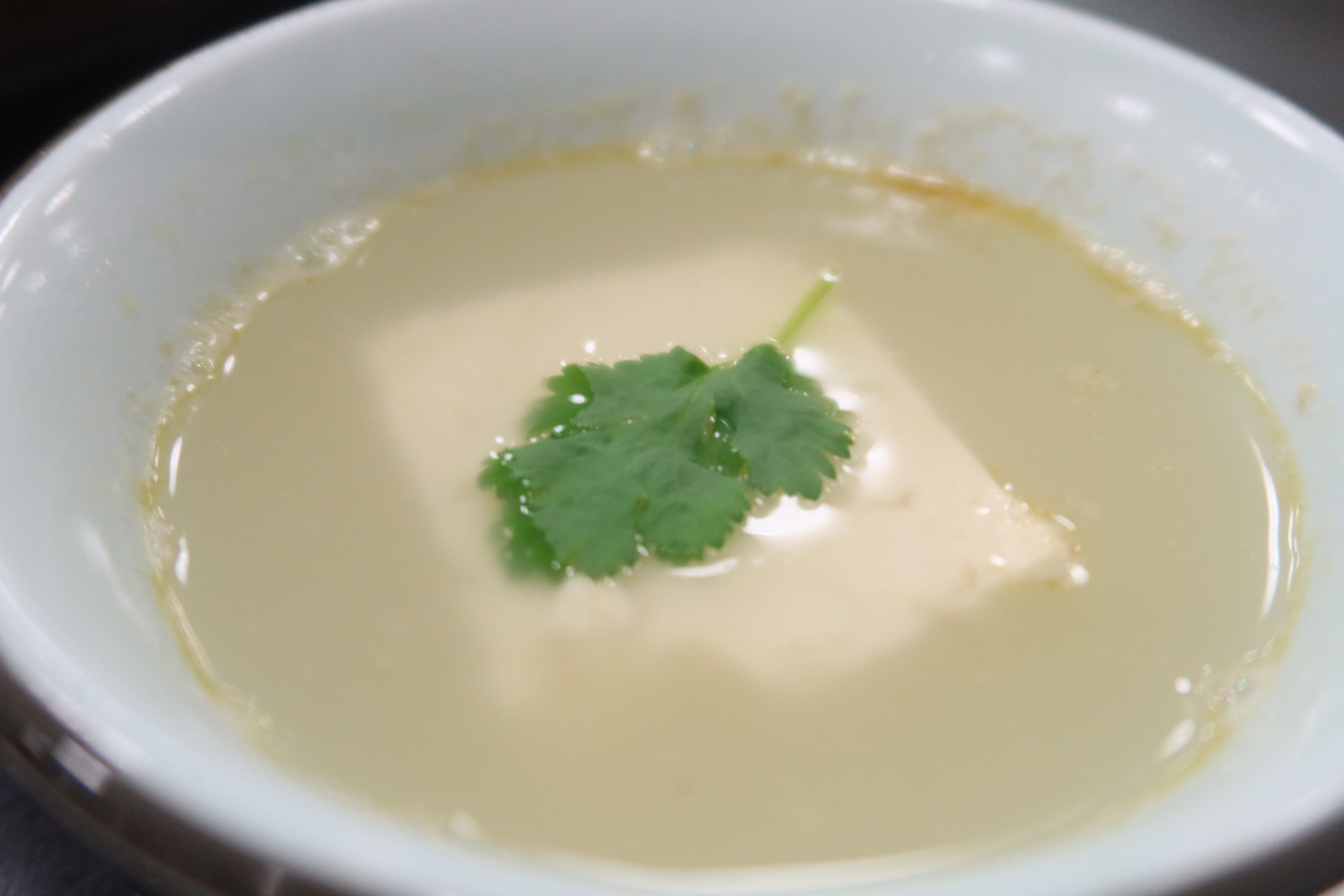
Beijing sits at the foot of mountains that erode into the muddy North China Plain. The dusty winds blowing in from Mongolia clog up the city’s skies and its water. At best, you can filter out the grit, but if you want water that actually tastes good, you to move up, from the bottom of the mountain to the top.
For example, where I am now.
Yanqing is technically part of Beijing, but it feels like another world. The trip north takes about two hours by car, zips past the Great Wall, and includes a climb of about 500 meters. That might not sound like much, but it’s enough to start turning the autumn leaves turn a good two weeks earlier than they do in the city. Crisp air, sharply rising mountains, and golden birch trees all serve as reminders that you are indeed at the southern edge of Manchuria.
Up here in the mountains, the water is clean, which brings us back to tofu.
Tofu only has three ingredients: Beans, water and a small amount of coagulant. Good water makes good tofu, and the pristine river water in Yanqing is as good as it gets. Within Yanqing, the place known for tofu is a small town called Yongning, which also promises a preserved ancient city. Consisting of one lonely tower, the old city was a bust, but no matter, since most people were there for the tofu. They had a dozen or so shops to choose from—as well as roadside vendors carting in big flats of freshly-made tofu, still hot, jiggling in crates the back of sturdy three-wheeled bicycles.
It was in Japan that I first learned to really love tofu, starting with yuba, the delicate skin taken off pots of simmering bean milk. Gently folded, yuba looks like a particularly lovely dish of scrambled eggs, but is served plain, or at most with a small cup of dashi-based sauce on the side. This was a revelation. Yuba is served plain because it is delicious. It is a taste to appreciate, not one to smother or tolerate.
Of course, this doesn’t work if your tofu tastes like plastic packaging or muddy water. I particularly dislike the taste of gypsum, one of many agents you can use to coagulate the strained bean mash, but some people swear by it, especially if that tofu is destined for hotpot. Tofu made with gypsum to me tastes burnt, like Starbucks coffee. Someone once told me that gypsum is an especially aggressive coagulant, meaning that you can make more tofu with less beans. True or not, I still associate it with a cheap product
Of course, I brought my precious tofu snobbery along with me to Yongning, where it took me no further than my first bicycle vendor.
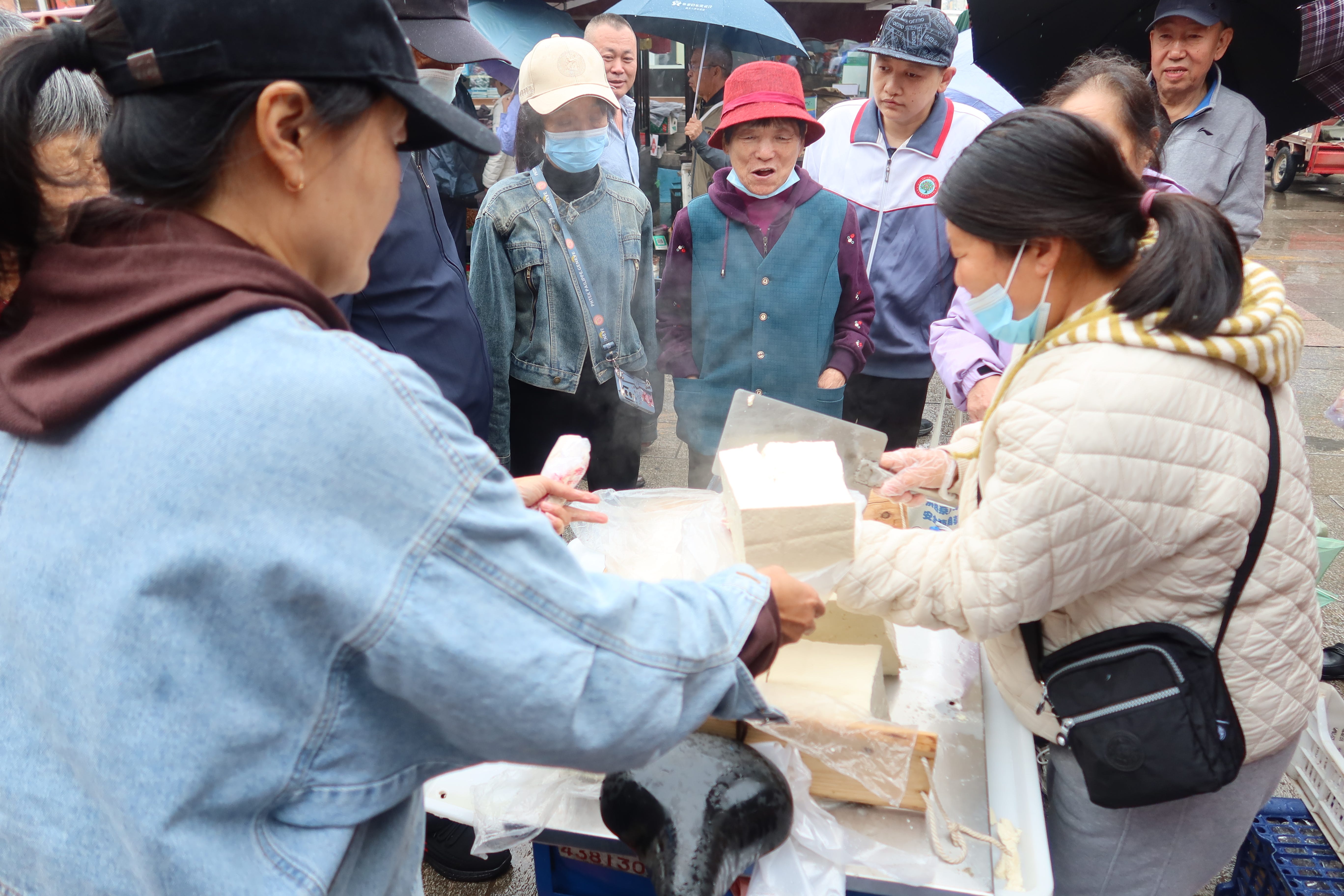
Hardly the only one, this vendor was surrounded by customers as soon as she pulled up. Locals and tourists, buying huge blocks at a time. One taste of a small piece taught me why. No processing, no plastic. Nothing but the clean taste of nature, sunshine on eager leaves.
(I didn’t buy any tofu, which wouldn’t have survived the trip back to Beijing, but did pick up some dried long beans and huoshao, another local specialty, served up with salty mutton soup.)
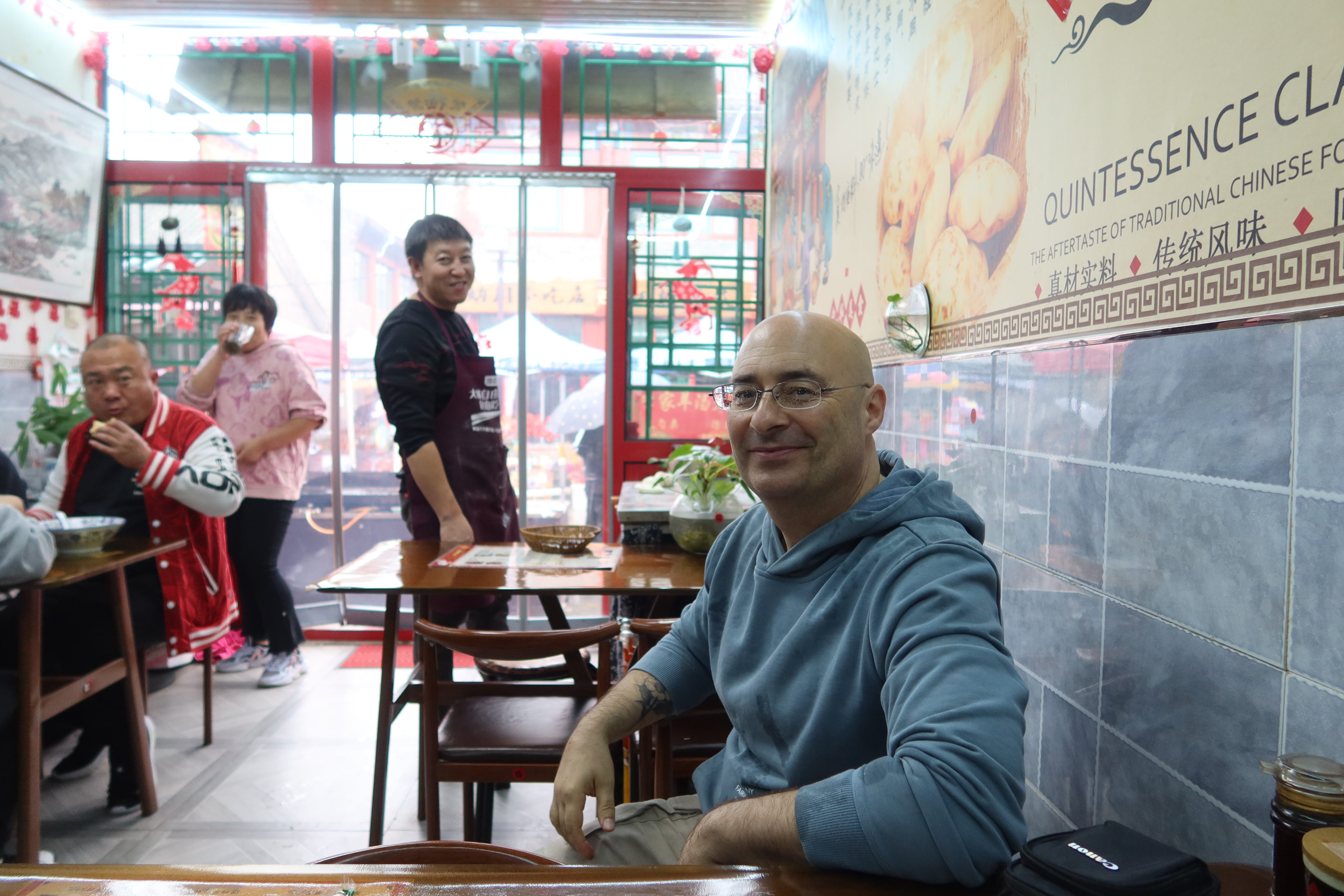
It didn’t take long to discover some of the many ways that tofu has made its way into local cuisine. There’s Yongning tofu stewed in bean milk and spices, tofu hotpot made with local lamb or freshwater fish, and restaurants specializing just in tofu banquets. I don’t yet know just how many of these traditions were in fact invented for tourists, but I’ll be back with a few students and a video camera to start conducting oral interviews with some of the old-timers who know this cuisine inside out.