Welcome to the fourth season of autumn
(September 22-October 7)
A twenty-four season calendar moves pretty quickly, especially if you are committed to writing on each approaching season. As of this morning, qiufen 秋分 is upon us.
Qiufen is the midpoint of autumn. The moment that fall becomes undeniable and inescapable. The first tinge of regret for having wished away the summer. I won’t miss the heat, but I am already starting to pine for the sunlight. As someone who seeks out the silence of very early hours, I enjoyed a nice feeling of conspiratorial kinship with a summer sun that popped its head above the horizon at the same time as mine. Alas no more. That lazy bastard is sleeping in later and later, and by the time he makes an appearance, the morning silence has long been broken by the sound of Beijing traffic.
In return, nature has again allowed us to start dressing like people. When it gets hot here in Beijing, men of leisure will roll up their t-shirts to expose their round bellies—a style known to the foreign press as the “Beijing bikini.”
Cooler weather has opened all new sartorial horizons. Yesterday I wore an actual suit.
We have just passed the season for mooncakes, yet their presence still looms. Filled with heavy ingredients like bean paste or salted egg yolks (as well as a great deal of oil), mooncakes are the kind of treat that you can genuinely enjoy once and tolerate once more, but anything beyond that is a burden. I have barely made a dent in the two dozen or so mooncakes that I was gifted over the past few days.
But mooncakes are perfect for this time of year. After a summer of light eating, we should be building up reserves for the coming winter.
There is no food more suited to, or emblematic of fall than zhou 粥.
(First, let’s get pronunciation out of the way. Zhou is basically pronounced like “Joe,” but with a cleaner vowel. If you say it slowly, Joe is actually Jee-o. Take that “ee” out and you’re there. Think “ho-ho-ho”)
Ancient or modern, every book of Chinese gastromedicine recommends zhou for the fall season. As the weather dries, you need water. As the weather cools, you need grain. And as it turns out, water and grain are the two ingredients needed to make zhou.
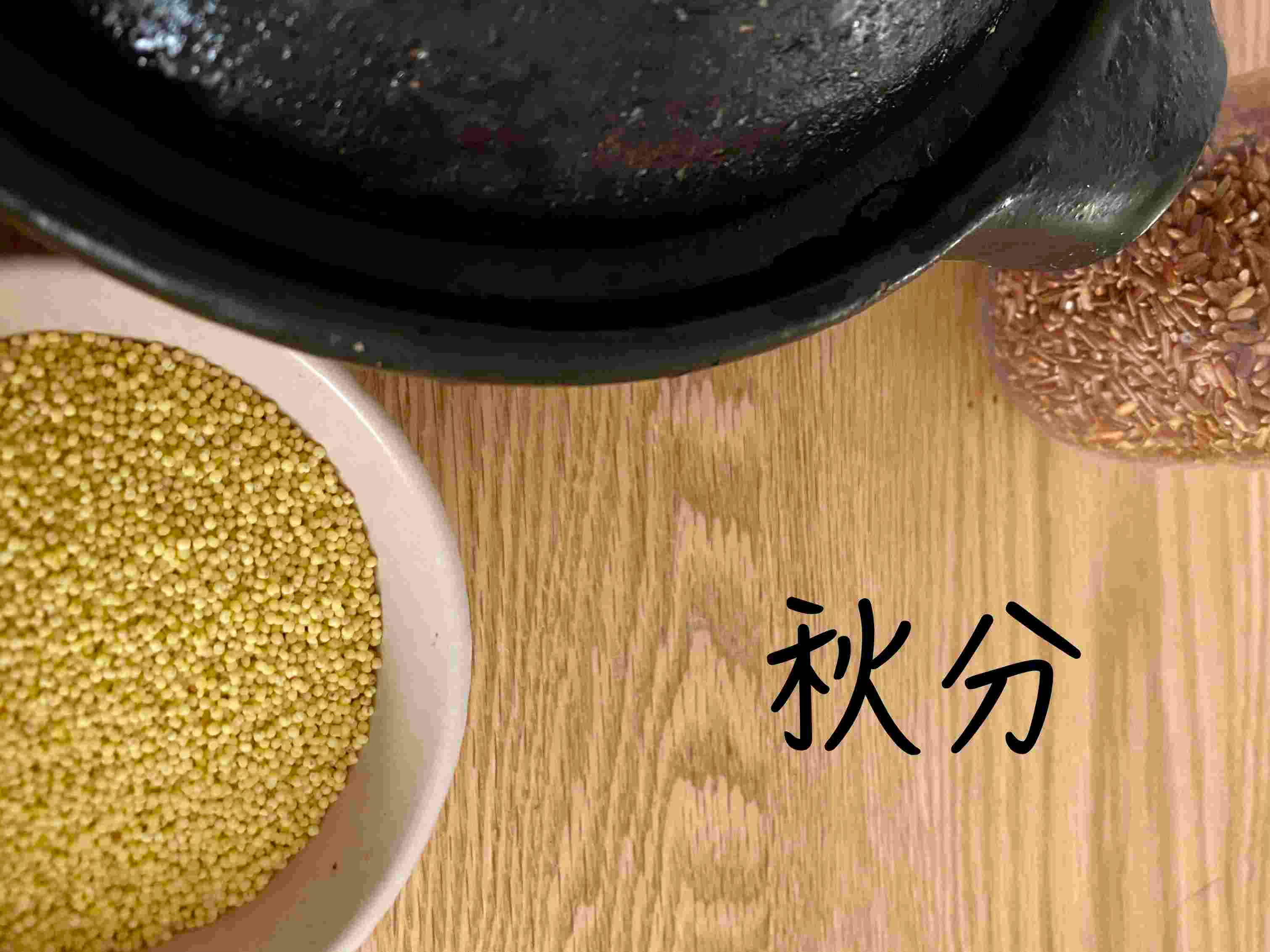
The first time I had proper zhou was in 1992, pre-dawn, outside a cold Shandong railway station. Hot millet porridge that you drank straight from the bowl, which got a cursory rinse before going to the next customer. Millet, for the uninitiated, is one of northern China’s oldest grains. Little yellow balls that look like couscous. For a while, I tried to make them act like couscous as well, serving steamed millet topped with strong flavors like cinnamon-laced lamb stew. But millet has its own charm, an earthy taste that is even more vivid if you have actually handled the ripening grains in the field.
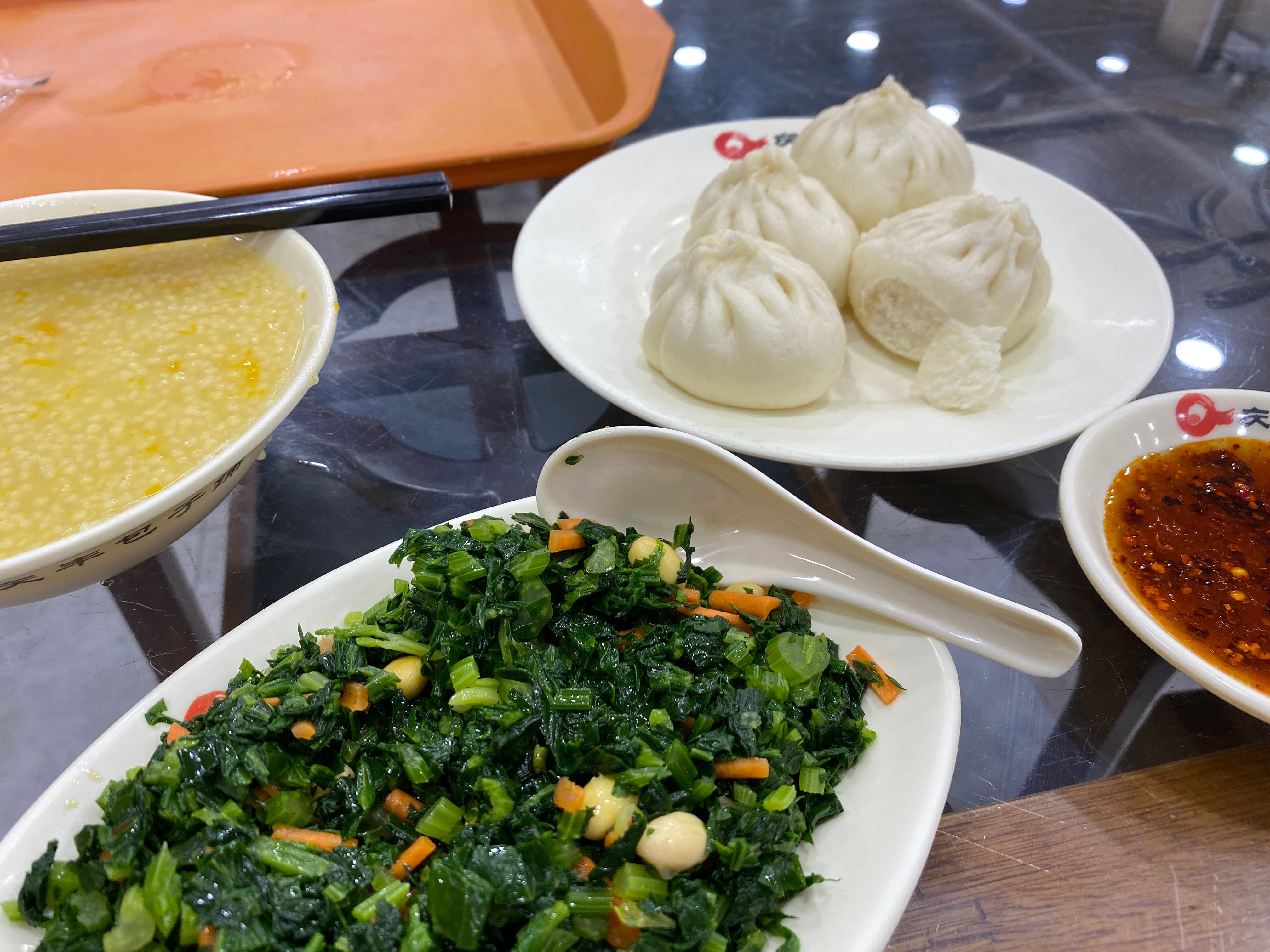
Millet zhou is a typically Shandong sort of breakfast, but I would soon discover zhou made from other grain. My kitchen has a little mini-bar of choices: red, purple and white rice, millet, coarse and fine-ground corn, oats and the most recent addition—buckwheat. A common sight in this season is zhou made of yellow millet laced with tiny chunks of bright orange pumpkin. My current favorite is a zhou made of red rice, millet, a small handful of oats, and a couple of dried dates. Adding cold water as the zhou cooks gives you a velvety soup instead of stodgy mess.
Add some dried fruit like these red dates, but no sugar. Zhou sweetened with white or brown sugar is best saved for dessert, especially the train trip staple known as “eight treasures” zhou.
Savory zhou are another world altogether. These start with a rice base cooked to a consistency of a “broken” risotto. Getting the consistency right does require some effort. The easiest way to do it is to use a rice cooker with a porridge setting, or simply simmer yesterday’s cooked rice in water, stirring until the rice is completely broken down into a creamy paste. You won’t need much rice—a quarter cup is more than enough for one large serving.
From there you can add pretty much anything. Dried or fresh seafood or mushrooms, lean pork, or green vegetables added near the end. Some people serve savory zhou with salt or oyster sauce, plus chopped green onions and a whiff of white pepper on top.
But I strongly suggest starting on the plain zhou that millions of people call breakfast every day. It can be an acquired taste, especially for those of us conditioned to believe that breakfast should be sweet (I’ll give you my Honey Nut Cheerios when you pry them from my cold dead hands), but once you learn to appreciate the clean taste of a simple grain on its own, the idea of adding sugar or butter can be fairly nauseating.
 Thomas David DuBois