Welcome to my new series on China’s seasonal cuisine.
For most of us, eating seasonally means getting the tastiest produce out of the garden. That’s a start. Think of that as the “Food network” level of understanding.
But in China it means much, much more. China has a history of time and season that goes back thousands of years. Ancient texts on the cycle of seasons include instructions that tell farmers when to till the soil and when to leave it alone. They pinpoint the precise moment that the forces of nature switch poles from the warming sunshine of growth to the cold winds of decay. Most important, they instructed ancient emperors how to keep the great clock of the universe in correct working order.
They also instruct how to eat. What, when and why for each season.
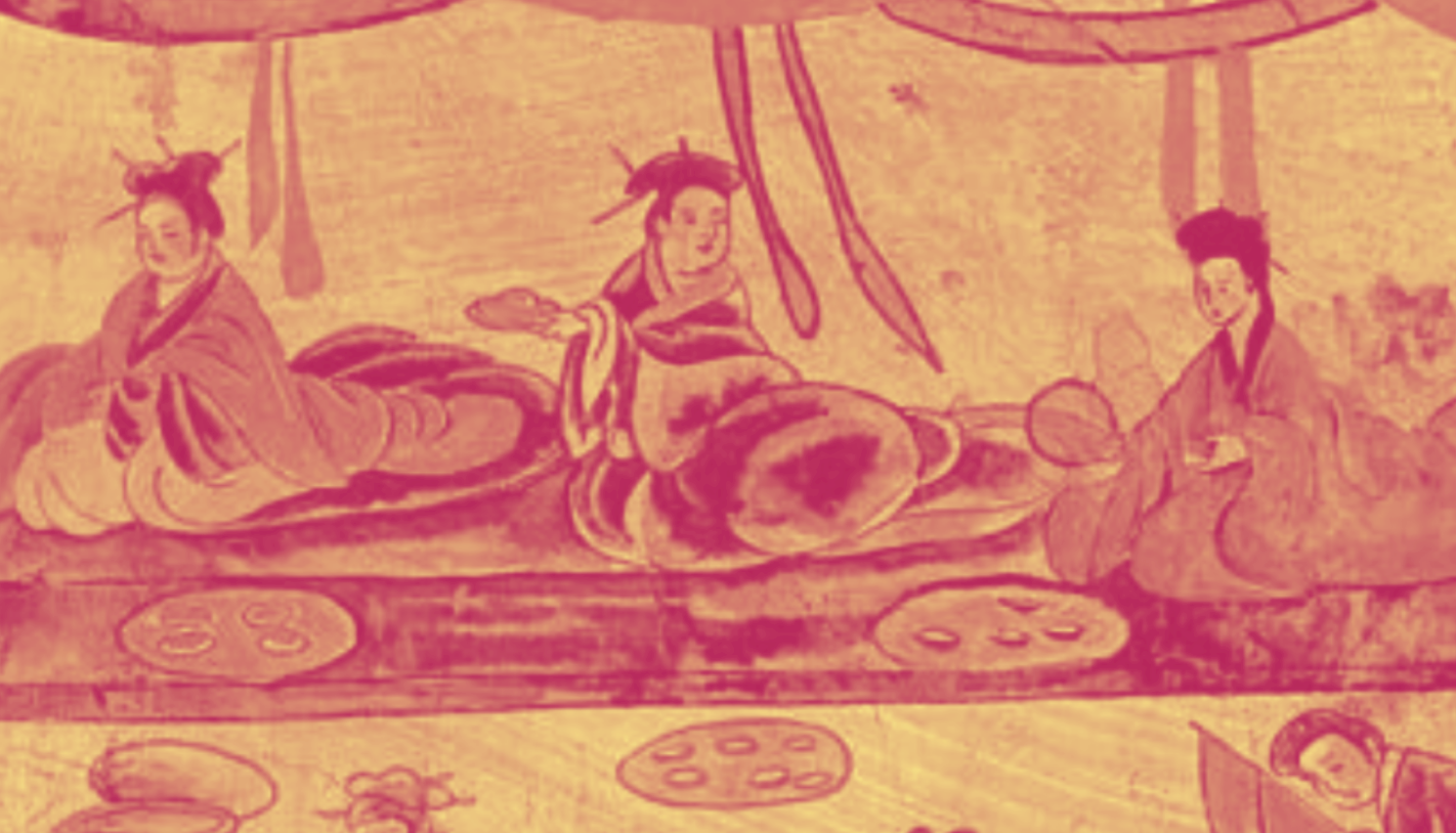
China traditionally observes the four seasons of spring, summer, winter and fall. But it also divides these into smaller, more precise pieces.
We’ll be working with the 24-season solar calendar (二十四節氣). This calendar brings a new season every two weeks. Even today, the seasons of this ancient calendar are fairly common knowledge. You can see the start of each new season announced in Beijing’s subway stations and via push texts on social media.
Each season of the solar calendar comes with its own cache of cultural references, millennia of poems, folktales and customs to choose from. A poem about the early autumn season of Chushu 處暑, the one that delivers the last gasp of summer heat, might mention birds hovering far over a golden field of wheat. Any cultured reader would recognize these as eagles hunting prey among the ripening grain. This reference appears first in the ancient Book of Rites 禮記, and subsequently returns in the next twenty centuries worth of literary allusions.
The Book of Rites is a particularly good starting point for our deep dive into China’s world of time and season. This book was a reference manual of rules for the rulers. The section on time is called the 月令, “Orders of the Seasons,” here meaning orders to be followed. Along with detailed advice about how nature transforms at each stage, these orders outline what color the emperor is to wear, what rituals he is to carry out, what policies he is to enact, and of course what foods he is to eat.
There is nothing aesthetic about this. The purpose of these regulations is to match the forces of the universe with the pageantry of the earth’s seasons. Woe to the kingdom that gets its ritual clock out of whack. Performing summer rituals in autumn would bring all sorts of disaster:
Great floods would spread across the land; the winter stores would be injured and damaged; the people would suffer from colds and inflammations. Observing rituals proper to winter would bring thieves and robbers; the borders would be unquiet; portions of territory would be torn away. Performing those proper to spring brings warm airs; the energies of the people would be relaxed and languid; and the troops would keep moving about. (Book of Rites 禮記)
In other words, think of the emperor as a living, breathing Book of Leviticus.
Once you view the seasons less as a global thermostat that goes up or down, and more as the machinations of an immensely intricate clock that we also happen to live in, you can start to appreciate the influence of season and food on health.
As we’ll learn in later posts, the body is no less a part of nature than a forest or a farm. There are times that it needs to power up and others that it needs to power down. A time to eat foods that supplement or purge heat or moisture. There are thousands of years of collected wisdom on how to match diet to season. Some of that knowledge can be found in classic texts, some in folk sayings or customs that people have followed for generations.
And we’re going to discover it, season by season, recipe by by recipe.
So go ahead and subscribe!
 Thomas David DuBois